How to Start a Smoke Shop: The Wholesale Buying Checklist for New Retailers
Opening a smoke shop is one of the more approachable retail businesses to start demand is steady, customers come back weekly, and you don’t need a huge storefront. The hard part is knowing what to put on your shelves, how to stay compliant, and where to buy it wholesale without blowing your budget. This complete guide walks new retailers through every step: licensing, what to stock, how much to order, how to price for profit, and how to source it all wholesale so every unit leaves room to earn.
Is opening a smoke shop worth it?
Smoke shops remain one of the more resilient small retail businesses. Demand for accessories, rolling papers, glass, and vaporizers is steady and repeat-driven, the products are compact and easy to store, and margins are healthy many items carry markups of 100% or more. Startup costs vary widely by location and inventory, but many new owners open with somewhere between roughly $20,000 and $100,000, most of which goes to lease, buildout, and opening stock. The good news: you can start lean, learn what sells, and reinvest as you grow.
Step 1: Write a simple business plan
You don’t need a 40-page document you need clarity. Nail down who your customers are (walk-in consumers, a college crowd, a downtown lunch crowd), what you’ll stock, your startup budget, your monthly break-even, and where you’ll buy wholesale. A one- to two-page plan is enough to guide your first orders and keep spending disciplined.
Step 2: Handle licenses, permits, and compliance
This is the step new owners most often underestimate. Requirements vary by state and city, but most smoke shops need:
- A business license or general business registration.
- A seller’s permit / resale certificate : this also lets you buy wholesale tax-free for resale.
- A tobacco retail license, and in many areas a separate vape/ENDS license.
- Compliance with the federal minimum age of 21 for tobacco and vaping products, plus stricter local rules, ID-check signage, and zoning limits (such as distance from schools).
Get these sorted before you open. This isn’t legal advice ..confirm your exact obligations with your state, your city, and a local attorney.
Step 3: Choose your location and set up the store
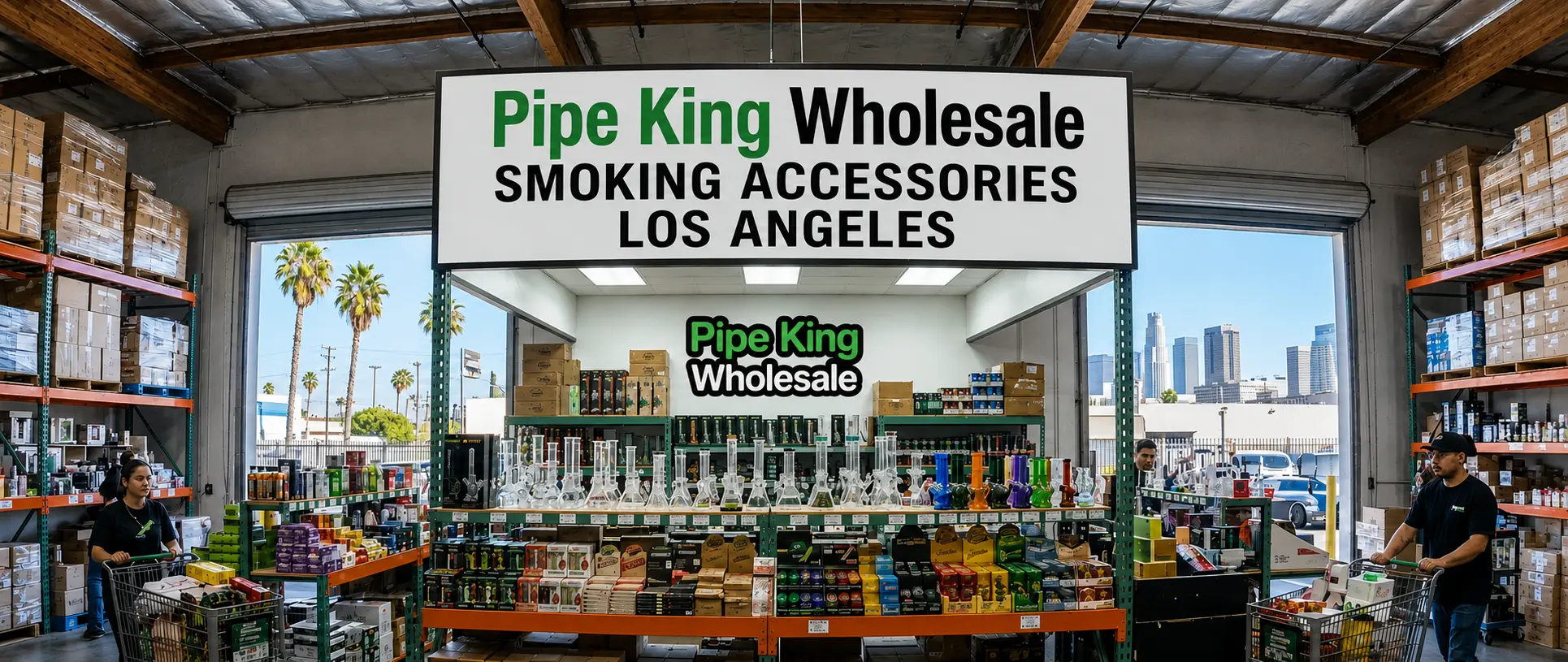
Foot traffic matters. Look for visibility, easy parking or walkability, and proximity to your target customers. Inside, keep your highest-margin, highest-theft items (glass, vapes) behind or near the counter, put impulse items (lighters, papers, tips) at the register, and use clean, well-lit displays. A reliable POS system that tracks inventory pays for itself by showing you exactly what sells.
Step 4: What to stock — the core product categories
You don’t need thousands of SKUs on day one. Cover these categories and you’ll serve the vast majority of walk-in customers:
- Glass water pipes and bongs — highest-margin and highest-visibility. Carry a range from affordable beakers to a few premium pieces.
- Hand pipes and bubblers — smaller, impulse-friendly, and easy to display.
- Rolling papers, cones, and wraps — your true repeat-purchase driver. Stock the names people ask for: RAW, OCB, Elements, Blazy Susan, and Zig-Zag.
- Grinders — metal and acrylic, in a couple of sizes and colors.
- Vaporizers and dab gear — a fast-growing category; trusted brands like Puffco, Lookah, Yocan, and Dr. Dabber largely sell themselves.
- Accessories — lighters, torches, cleaners, storage jars, trays, scales, and nectar collectors. Low cost, high turnover, and they lift your average sale.
- Hookah and shisha — worth adding if there’s demand in your area.
Step 5: How much inventory to buy at first
Buy wide but shallow — a little of many things — so you learn what your customers actually reach for. Weight your opening order toward consumables (papers, cones, lighters, cleaner) that come back every week, and go lighter on big-ticket glass until you see which styles move. After two to three weeks of sales data, restock your proven sellers by the case and drop what sits. A common opening-inventory budget runs from a few thousand dollars for a small shop to $20,000 or more for a larger one.
Step 6: Find the right wholesale supplier
Your supplier makes or breaks your margins. As you compare distributors, look for:
- A reasonable minimum order, so you’re not forced to over-buy. (Pipe King Wholesale’s is $200.)
- Authentic, brand-name products — counterfeits will wreck your reputation.
- Fast, reliable restocking and nationwide shipping, so you’re never out of a bestseller.
- Clear, gated wholesale pricing you can build real margin on.
- Responsive support for order and product questions.
A distributor that carries the brands your customers already know — and ships nationwide with a low minimum — lets you launch lean and scale as you grow.
Step 7: Price for profit
Most smoke shops price accessories at keystone (double your cost) or higher, and consumables like papers a little lower because they drive repeat visits. Know your wholesale cost, set consistent markups, and watch your bestsellers’ margins. The gap between wholesale and retail is where your business lives — buying well is half of pricing well.
Step 8: Market your smoke shop
- Claim and optimize your Google Business Profile — the single biggest driver of local “smoke shop near me” traffic. Add categories, hours, photos, and gather reviews.
- Post regularly on Instagram, Facebook, and TikTok, within each platform’s rules.
- Build repeat business with a simple loyalty program or text list.
- Keep your storefront and signage clean and inviting — a lot of smoke-shop marketing is just being the obvious, trustworthy option nearby.
Common mistakes new smoke shop owners make
- Over-buying one category before they know what sells.
- Skipping licensing steps and getting fined.
- Buying counterfeit or gray-market product to save a few dollars.
- Ignoring consumables (papers, lighters) that drive weekly repeat traffic.
- Not tracking inventory, so bestsellers go out of stock.
Frequently asked questions
How much does it cost to open a smoke shop?
It varies widely, but many owners open with roughly $20,000–$100,000, covering lease, buildout, licenses, and opening inventory. You can start smaller with a lean inventory and reinvest as you grow.
Do you need a license to open a smoke shop?
Yes. Most areas require a business license, a seller’s/resale permit, and a tobacco retail license (and often a separate vape license). Confirm the specifics with your state and city.
What sells best in a smoke shop?
Consumables — rolling papers, cones, wraps, and lighters — sell fastest and bring customers back. Glass, grinders, and vaporizers deliver the biggest per-sale margins.
What’s a good markup for smoke shop products?
Many accessories are priced at keystone (2× cost) or higher; consumables are often marked up a little less because they drive repeat visits.
How much starting inventory do I need?
Start wide but shallow. A small shop might open with a few thousand dollars of stock; a larger one, $20,000+. Restock your proven sellers by the case after your first few weeks.
Your smoke shop starter checklist
- Business license and seller’s/resale permit
- Tobacco (and vape) retail license
- Wholesale account with a distributor
- Core glass, hand pipes, and bubblers in a range of prices
- Papers, cones, and wraps (RAW, OCB, Elements, Blazy Susan)
- Grinders, vaporizers, and dab gear (Puffco, Lookah, Yocan)
- Accessories: lighters, torches, cleaners, jars, trays, scales
- POS and inventory tracking
- Google Business Profile claimed and optimized
- Compliance checked for your state and city
Ready to stock your shelves?
Pipe King Wholesale supplies smoke shops, vape shops, and convenience stores across the U.S. with the brands customers ask for — RAW, OCB, Elements, Lookah, Puffco, Yocan, and more — at gated wholesale pricing, with a $200 minimum order and nationwide shipping. Open a wholesale account to view pricing and place your first order. (Internal links to add: “rolling papers” → Papers & Wraps, “glass water pipes” → Glass, “vaporizers” → Vaporizers, “open a wholesale account” → Register.)




Add comment